














Shopping Cart
Babies usually lose weight after birth before beginning to gain. According to a widely established rule of thumb, a newborn can be anticipated to lose 3–7% of its birth weight over the first five days following birth. By day 10, parents should expect their infant to be back to his or her birth weight.

it can be experienced to a greater or lesser extent and can appear up to a year after the birth of your baby. Next, we will expose some symptoms, causes and solutions.
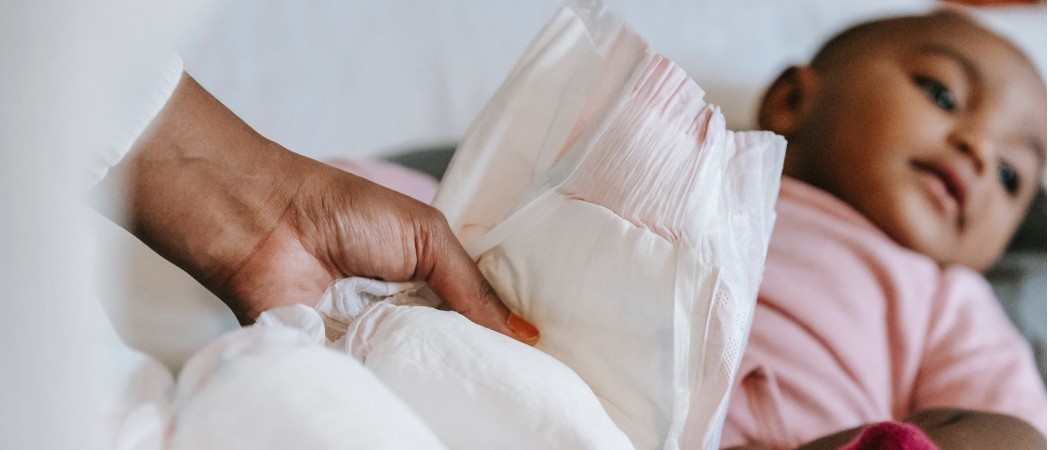
No matter how vigilant you are, your child will most likely get diaper rash at some stage. The majority of babies do! Fortunately, there are creams and ointments to treat the problem...

They feed on your blood and stay in the same place, laying eggs. To combat them we must ...
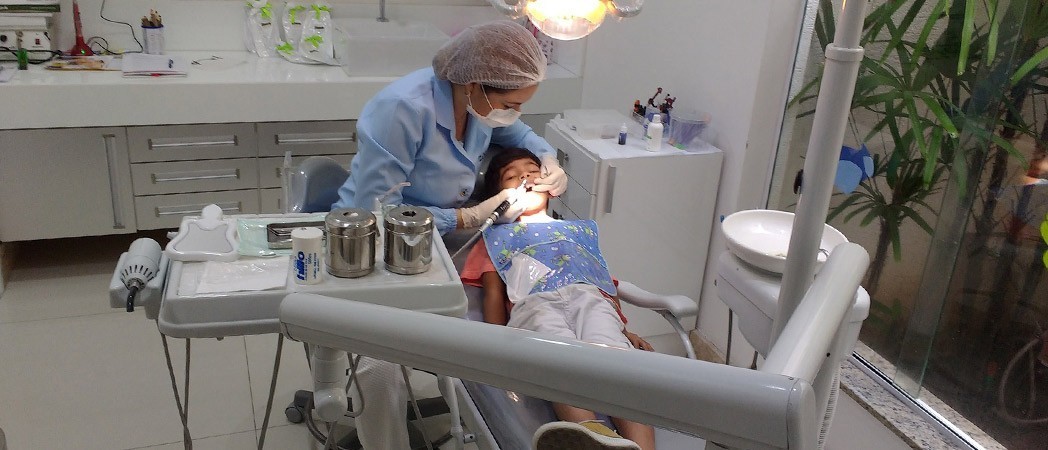
That the baby's lip or mouth does not form properly is due to abnormalities in the gestation stage. Specifically, when the facial structures of the fetus do not close completely

Know what the ideal air conditioning temperature is and how to know if the little one is cold. We also tell you how to save on your bills.
For us as parents it is essential to make our babies feel comfortable with their clothes every day and wherever they are, even in the elements we use, such as a car seat, stroller and others, we want their materials to be the best to avoid discomfort and not produce any type of allergies. According to studies
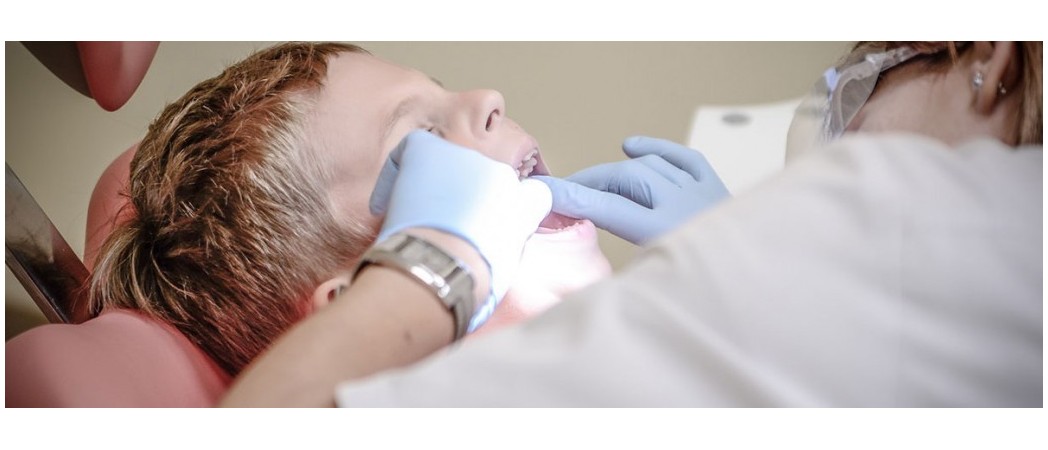
Children are very restless and in their exploration process it is very normal for frequent falls that may affect or injure babies, milk teeth are usually the most affected by a sporadic blow, which many ask Parents is what should be done in this situation, in this post we will explain the steps to follow.

In the first months of life, the baby is assimilating a series of general processes that lead him to be part of a normal adaptation, where they can present problems

When your baby has a stuffy nose, they feed and sleep worse. We explain why it bothers them so much, what the colour of the mucus means, how to do a nasal wash step by step, when to use an aspirator and when to see the paediatrician.

Conjunctivitis in babies is one of the most common diseases and although it causes alarm it is very easy to treat it, as long as one is cautious and takes the pertinent care so that it disappears, although it is better to have a pediatric follow-up. Conjunctivitis is considered as the "inflammation of the membrane that protects the white part of the eye," because of an infection that developed through viral means, bacteria, or allergies
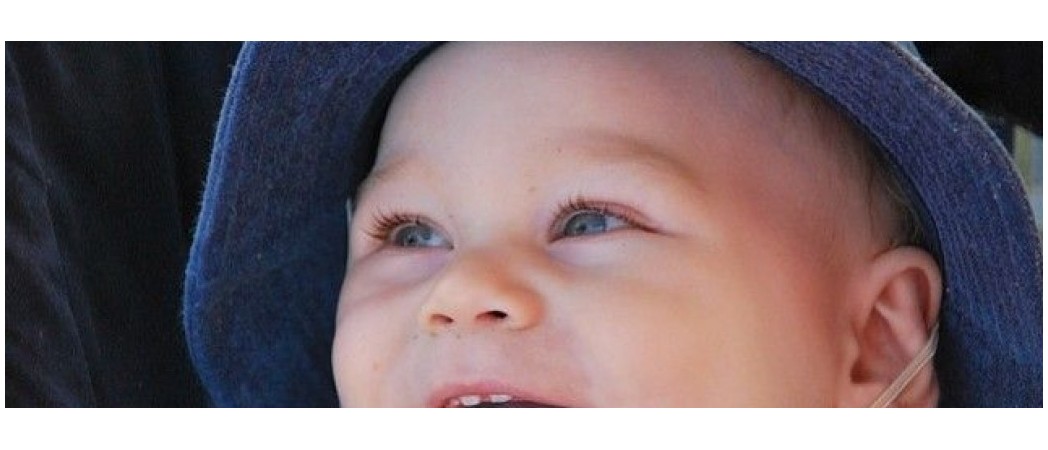
First teeth usually come through at around 6 months, although every baby has their own pace. We explain when and in what order they appear, how to recognise the signs of teething, how to ease the discomfort and when to start brushing.

Fever in babies should not be determined as a disease, on the contrary, it is the cause of the body's defense against an infection presented in the body against attacking a virus. Fever is a very normal and most frequent manifestation in the first years of life, when the fever does not exceed 38ºC, it is activating the immune system so that it can manufacture white blood cells as well as antibodies to be able to attack any infection tha

Hiccups in babies are very common and more often in newborns, they regularly occur during the first six months of life, although this is very normal to happen can be uncomfortable, often causing concern for their parents. Hiccups are caused in children by having too much stomach, eating very fast

The gases in babies are characterized as an accumulation of air in the intestine of the child, which by not being expelled correctly can be causing pain and discomfort, making them more vulnerable in their digestion. Since babies are born, they will always
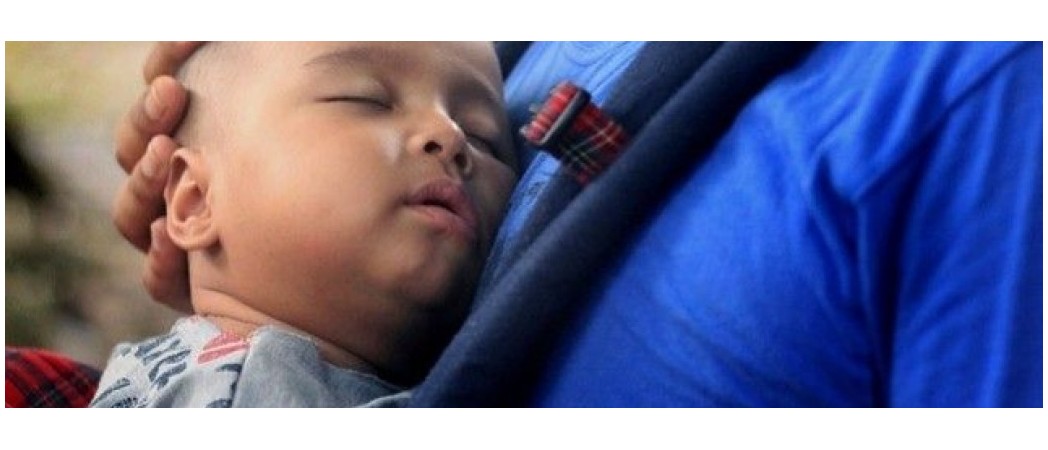
Infant colic means episodes of intense crying in healthy babies that usually stop by around 4 months. We explain what it is, how to soothe it, what to avoid and the warning signs that mean you should see the paediatrician.
Page 2 of 3