




















Shopping Cart
Why isn't my baby moving in my bump? When to worry and what to do
12/11/2023 13:51:10 Children's physical development , Pregnancy
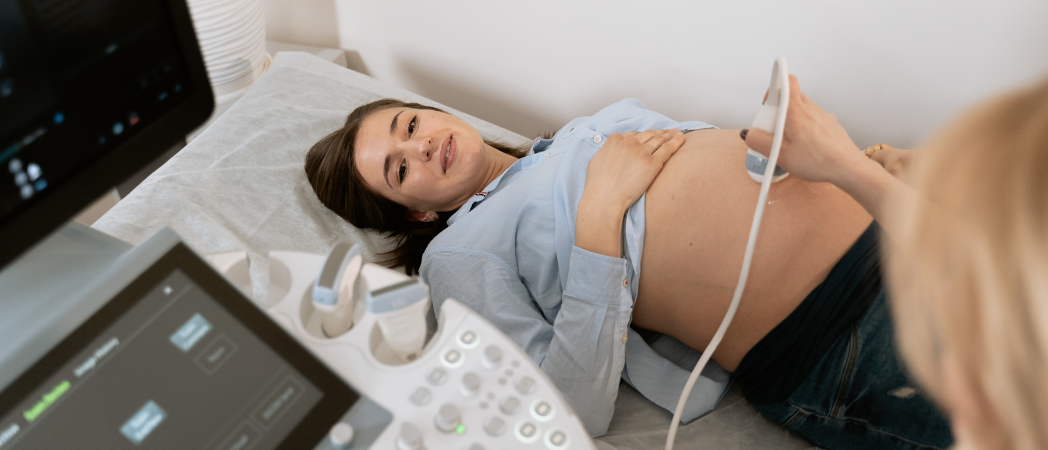
Few things are as reassuring in pregnancy as feeling your baby move. And few things are as worrying as a stretch of time when it seems they aren't moving at all. If you're searching for why your baby isn't moving in your bump, here's the first thing to know: if you notice your baby is moving less than usual, don't wait until tomorrow or your next appointment. Call your midwife or maternity unit now.
From there, this guide explains when you start to feel movements, what's normal, which myths to forget and what will happen at the hospital if you go in to be checked.
When you start to feel your baby move
Your baby moves from very early on, but at first you can't feel it. Most pregnant women start to feel movements between 16 and 24 weeks. At first they're gentle flutters, like bubbles or a tickling sensation, which are easy to mistake for wind. In a first pregnancy they're usually felt a little later than in later pregnancies, and the position of the placenta also plays a part: if it's at the front of the womb, it cushions those first kicks.
As the weeks go by, movements become clearer: kicks, rolls, pushes and also hiccups, which feel like small rhythmic taps.
What's normal
- There's no “right” number of movements. Every baby has their own pattern. What matters is that you get to know your baby's: when they're usually most active, how strong their movements are and how they feel to you.
- Active spells alternate with rest. Your baby has sleep periods when they don't move, and that's normal.
- Babies tend to be more active in the afternoon and evening, and often when you're lying down or resting. When you're very busy, you notice them less.
Myths to forget
“Babies move less at the end of pregnancy because they run out of room”
Not true. The type of movement may change (fewer big kicks and more pushes or rolls), but your baby shouldn't move less in the last few weeks, and they keep moving even during labour. If you notice fewer movements late in pregnancy, you still need to get checked.
“If I have something cold or sugary to drink, they'll move”
There's no evidence that eating or drinking anything in particular is a way to check your baby is well. And the risk is losing valuable time trying. If you notice fewer movements, don't try this first: call straight away.
“I can check with a doppler or an app at home”
This isn't recommended. Hearing a heartbeat at home doesn't mean your baby is well, and it can give you false reassurance that delays getting checked.
“Counting ten kicks is enough”
Current guidelines don't recommend counting kicks or using charts, because there's no number that applies to every baby. What counts is a change from what's normal for yours.
“I'll mention it at my next appointment”
No. A change in movements needs to be checked there and then, whatever the time and even at the weekend. And even if you've been in before and everything was fine, call again if it happens again.
When to call
Call your midwife or maternity unit if:
- You notice your baby is moving less than usual.
- The movements have changed: they're weaker or different from how they usually are.
- You can no longer feel your baby move.
- You have a feeling that something isn't right, even if you can't explain it.
Don't wait to see whether your baby moves more tomorrow. Keep the phone number of your hospital or maternity unit to hand from the moment you start feeling your baby move.
What will happen at the hospital
Usually they'll listen to your baby's heartbeat and, depending on how many weeks pregnant you are, monitor their heart rate for a while (a CTG trace) to see how they respond. If needed, they may do an ultrasound scan to check your baby's growth and the amniotic fluid. In most cases everything is fine and you go home reassured, but it's the only way to know for sure.
How to get to know your baby's pattern
You don't need to keep count, but you do need to pay attention. A good time is when your baby is usually most active: lie on your side, get comfortable and notice how they move. Within a few days you'll recognise their pattern and find it easier to notice if anything changes.
Ready to leave at any moment
In the final stretch of pregnancy, having your hospital bag packed saves a rush if you need to go in to be checked. Our collection of maternity bags has bags designed for just that, and in our guide what to pack in a baby toiletry bag we explain how to organise your newborn's toiletries.
Frequently asked questions
How long can my baby go without moving?
Your baby has sleep periods when they don't move, but there's no set length of time that applies to everyone. If you notice they're moving less than is usual for them, don't wait: get checked straight away.
Is it normal not to feel my baby yet at 20 weeks?
It can be, especially in a first pregnancy or if the placenta is at the front. If you reach 24 weeks and still haven't felt any movement, talk to your midwife.
What if I go to hospital and it was nothing?
That's the best possible outcome. Nobody will think you're overreacting: getting a change in movements checked is exactly what health professionals recommend, as many times as you need to.
In short
Get to know your baby's pattern and, if you notice they're moving less or differently, call your midwife or maternity unit straight away. Don't wait until tomorrow, don't try cold drinks and don't use a home doppler.
This article is for information only and does not replace an assessment by your midwife or doctor. Sources: Tommy's, “Movements Matter”; HSE (Health Service Executive, Ireland), clinical guideline on reduced fetal movements.