

















Shopping Cart
Concerned Because Your Baby Urinates Little? Discover What is Normal and When to Act
12/14/2023 15:39:32 Children's physical development
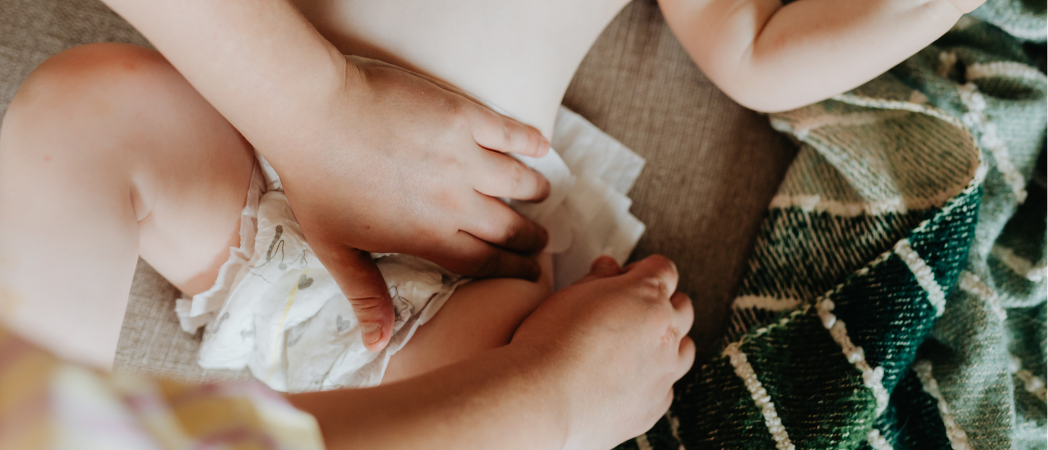
Hello to all mums and dads! Today we're going to talk about a topic that, although it may seem minor, is a common concern for many parents: what happens if my baby urinates less than usual? Here, we always strive to provide the best information to help you care for your little one. So, let's dive into this important topic!
Important note: This article is for informational purposes only and does not replace the advice of a pediatrician. If your baby wets far fewer diapers than usual, seems unusually sleepy, has a fever, refuses feeds, or shows signs of dehydration, seek medical advice promptly.
How much should a baby urinate?
First, it's important to understand what is considered "normal" when it comes to a baby's urination patterns. Newborns, especially during their first few days of life, may urinate less frequently because they consume smaller amounts of milk. However, after the first week, most babies should wet around 6–8 diapers per day.
Causes of reduced urination
Several factors can influence how often a baby urinates. These include:
Hydration
The most common cause of reduced urination is simply not getting enough fluids. This is especially common during hot weather or if your baby is unwell.
Health problems
In rare cases, reduced urination may indicate an underlying health condition. Kidney problems or urinary tract infections, although uncommon, can affect how often a baby urinates.
Natural development
As your baby grows, their bladder also grows, meaning they may urinate less frequently while producing larger amounts each time.
When should you be concerned?
If your baby urinates significantly less than usual, especially if this is accompanied by symptoms such as fever, lethargy or irritability, you should contact your pediatrician.
- Your baby goes many hours without a wet diaper.
- The urine is very dark or has a strong odor.
- Your baby seems unusually sleepy, weak or irritable.
- Your baby refuses feeds or eats much less than usual.
- Your baby has a fever, vomiting or diarrhea.
- Your baby's mouth is dry or they cry without tears.
Tips for keeping your baby well hydrated
Keeping your baby well hydrated is essential for their health. Here are a few tips:
Breastfeed on demand
If you're breastfeeding, offer the breast whenever your baby wants it. Breast milk provides both nutrition and hydration.
Watch for signs of thirst in older babies
For babies who have already started complementary feeding, offer water regularly.
Remember, every baby is different, and what is normal for one may not be for another. Trust your instincts and don't hesitate to seek professional advice if you have any concerns. On our blog you'll find more articles about your baby's health and well-being. Would you like to learn more about a particular topic? Leave us a comment, subscribe to our newsletter and join our community of caring parents. Together, we can make the parenting journey even more wonderful.
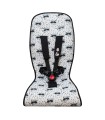
For everyday use, especially during walks, trips or stages when accidental leaks are more common, it can be helpful to use an absorbent seat liner to protect the seat and keep your baby more comfortable if they get wet.
For everyday use, especially during walks, trips or stages when accidental leaks are more common, it can be helpful to use an absorbent cushion to protect the seat and keep your baby more comfortable if they get wet.
It can also help to keep everything you need for daily diaper changes and outings close at hand. At Jyoko, you can find stroller bags designed to carry diapers, spare clothes and baby accessories comfortably. And if you travel frequently by car or stroller, our car seat covers and stroller seat covers help your baby travel more comfortably on every journey.
See you next time!