
Shopping Cart
What to pack in a baby toiletry bag: complete list by age
09/16/2022 00:00:00 , Maternity and Parenthood
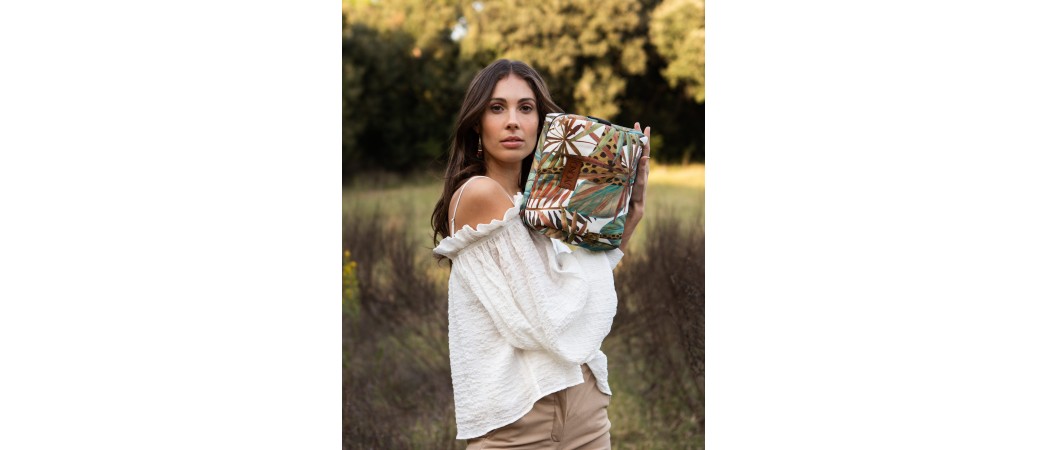
Leaving the house with a baby means carrying half the house with you. Wipes, nappies, cream, the spare dummy, the thermometer just in case… And whatever you need is always at the bottom of the bag. A baby toiletry bag solves that: a small, well-organised bag with everything for hygiene and care, which moves from the pram bag to the suitcase or the hospital bag without having to pack it again every time.
In this guide you will find the complete list of what to pack in a baby toiletry bag, what changes with your baby's age, how to organise it so you can find everything with one hand, and what to keep in mind if you are flying.
Toiletry bag, pram bag and maternity bag: what goes where
They are three different things and it pays to keep them apart:
- Pram bag: for everyday outings and walks. It hangs from the pram and carries the baby's basics for a few hours.
- Maternity bag: bigger, for the hospital or a trip. It carries changes of clothes for mother and baby.
- Toiletry bag: goes inside either of them. It holds hygiene, skin care and a small first-aid kit, kept apart from clothes and food.
The advantage of keeping everything in a toiletry bag is that you pack it once and switch it from one bag to another in a second.
Complete list: what to pack in a baby toiletry bag
1. Nappy changing
- Nappies (allow one for every 2-3 hours away from home, plus two extra).
- Baby wipes, ideally in a travel pack.
- Nappy cream.
- A foldable changing mat or a disposable pad.
- Bags for used nappies.
2. Hygiene and washing
- Mild baby wash and shampoo, in small sizes.
- Soft-bristle brush or comb.
- Round-tip scissors or a nail file.
- Single-dose saline solution (for eyes and nose).
- Sterile gauze pads.
- A small towel or muslin.
3. Skin care
- Baby moisturiser.
- Balm or petroleum jelly for cheeks and lips in cold or windy weather.
- Children's sunscreen only from 6 months. Before that age, shade and clothing are recommended; check with your paediatrician.
4. Small first-aid kit
- Digital thermometer.
- Nasal aspirator.
- Any medicines your paediatrician has prescribed (for example, children's fever reducer with its dosing syringe), with the leaflet.
- Plasters and a mild antiseptic.
- Your baby's health card (or a photo of it on your phone).
5. Extras that save the day
- Spare dummy with its case or clip.
- Hand sanitiser for you.
- A couple of zip bags to keep used items separate.
- Tissues.
What changes with age
0 to 6 months
This is the stage with the most nappy changes and the most spit-up: pack plenty of nappies and wipes, gauze, saline and a spare bodysuit (in the bag, separate from the toiletry bag). For the sun, shade and clothing.
6 to 12 months
Solid food and teething begin. Add a bib, a travel spoon, wipes for hands and face, and whatever your paediatrician has recommended for the gums. You can now include children's sunscreen.
1 to 3 years
Fewer nappies and dirtier hands. Add a children's toothbrush, toothpaste suitable for their age and, if you are potty training, a full change of clothes in case of accidents.
How to organise the toiletry bag so you can find everything with one hand
- By zones: nappy changing in one compartment, hygiene in another, first aid separate. When your baby is on the changing mat, you only have one hand free.
- Bottles upright and tightly closed: inner elastic loops help keep them from tipping over.
- Travel size: refill small containers instead of carrying the big ones.
- Restock when you get home: what you use today is what you will be missing tomorrow. Check the expiry dates in the first-aid kit every few months, too.
- Easy to clean: with a baby, something is going to spill. A fabric that washes well saves a lot of trouble.
If you are flying
In the European Union, liquids in hand luggage must be in containers of up to 100 ml inside a clear bag. But there are exceptions that matter to you:
- Baby milk and baby food: allowed in quantities over 100 ml if they are for use during the trip.
- Essential medicines: also allowed over 100 ml; you may be asked for the prescription or supporting documents.
Present them separately at security. The rest of the liquids in the toiletry bag (wash, shampoo, cream) should be under 100 ml. Before you fly, check your airline's conditions.
The Jyoko toiletry bag
At Jyoko we make toiletry bags by hand in our Barcelona workshop. For babies, the most practical is the knitted cube toiletry bag: it is designed precisely for your baby's basic care items (comb, brush, nasal aspirator, thermometer, creams, nail scissors), made of cotton with a technical-fabric lining, and closes at the top with a zip so nothing gets lost. It also comes as a polar cube.
If you are travelling and need more space, the waterproof Basic Night toiletry bag with multiple compartments has inner pockets with elastic to keep each item separate, elastic loops to hold bottles, a zip pocket for small things and a wide opening so you can see everything at a glance. All models and prints are in our toiletry bag collection.
Keep your baby's paperwork separate: the health record book, health card and paediatric reports get creased and stained if they travel loose in the bag. For that we make document holders with inner compartments, also in the Basic Night print to match the multi-compartment toiletry bag.
And to carry it: day to day, inside a pram bag; for the hospital or a weekend away, inside a maternity bag.
Frequently asked questions
How many nappies should I pack?
A practical rule: one for every 2-3 hours you will be out, plus two spare. In the first months, a few more.
What should never be missing?
Nappies, wipes, nappy cream, saline solution, a thermometer and a spare dummy if your baby uses one. That covers most surprises.
Can I pack it in advance?
Yes, and that is the whole point. Keep it packed at home, restock after every outing and it will always be ready to drop into whichever bag you need.
In short
A good baby toiletry bag brings together nappy changing, hygiene, skin care and a small first-aid kit, organised by zones and adapted to your baby's age. Pack it once, restock when you get home and move it from the pram bag to the suitcase depending on the plan for the day.
Source on liquids on flights: European Commission, Your Europe, "Airport and airline security: frequently asked questions".