






Shopping Cart
Cradle cap in babies: what it is, why it appears and how to remove it
11/08/2026 17:25:37 , Health
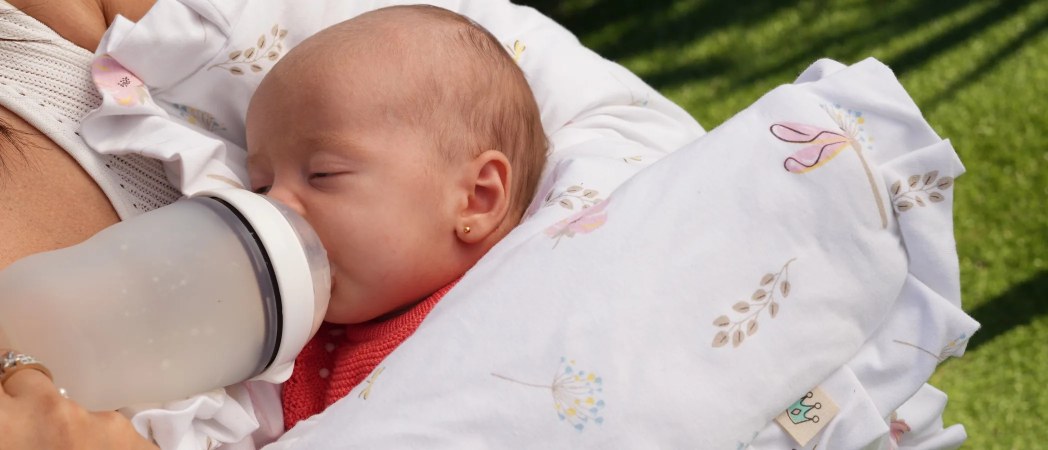
One day, while stroking your baby's head, you notice yellowish, slightly greasy flakes stuck to their scalp. This is cradle cap, one of the most common worries in the first months. The good news: it is common, it is not serious and it usually goes away on its own. In this guide we explain what it is, why it appears, how to remove it gently and when to see your paediatrician.
What is cradle cap?
Cradle cap is seborrhoeic dermatitis of a baby's scalp. It looks like thick white or yellowish patches or scales, sometimes with a little redness underneath. It mainly appears on the head, but it can also show up on the forehead, the eyebrows, behind the ears or in the folds of the neck.
Why does it appear?
The exact cause is not known. It is thought to be linked to extra oil production in the baby's sebaceous glands, related to the hormones received from the mother during pregnancy, together with a yeast that lives naturally on the skin (Malassezia).
What is clear is what it is not:
- It is not contagious.
- It is not caused by poor hygiene.
- It is not an allergy to the products you use on your baby.
- In most cases it does not itch or bother them, even though it may look dramatic.
At what age does it appear and how long does it last?
It usually appears in the first weeks of life and fades little by little over weeks or months. It has normally improved by around the first birthday and leaves no marks.
How to remove cradle cap step by step
- Soften the scales. If they are stuck on firmly, apply a small amount of petroleum jelly to the scalp and leave it for a while before bath time.
- Brush gently. With a soft-bristled brush or a fine comb, use gentle movements to lift the scales that come away easily.
- Wash the hair with a mild baby shampoo. Washing the head more often helps stop it building up again.
- Rinse well and pat dry, without rubbing.
What to avoid
- Don't pick the scales off with your nails. You could irritate the skin or cause small wounds.
- Don't use anti-dandruff shampoos, steroid creams or antifungals unless your paediatrician recommends them.
- Don't be afraid to wash their hair: on the contrary, it helps.
When to see the paediatrician
- If the patches spread to the face, the body or the nappy area.
- If the skin is very red, oozing, warm to the touch or bleeding.
- If your baby seems itchy or uncomfortable.
- If it does not improve with care at home.
The paediatrician can assess whether a mild treatment is needed.
Soft fabrics for their little head
While the skin on the scalp is more delicate, it helps if whatever touches their head is soft and breathable:
- In the cot, an organic cotton fitted sheet, stretchy, breathable and OEKO-TEX certified, that is easy to wash at 30 °C.
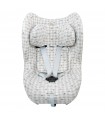
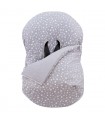
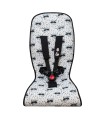
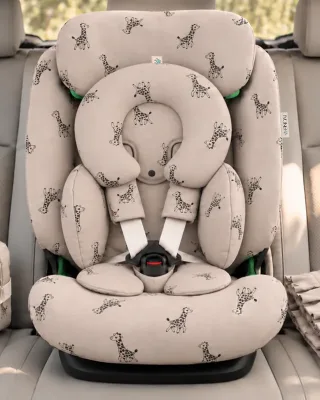
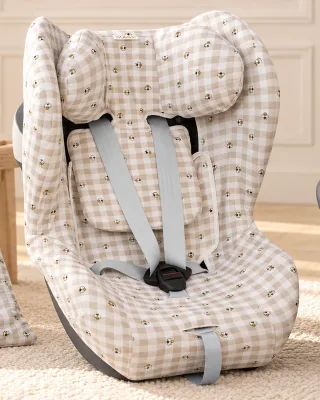
- In the car seat or carrycot, the 3-piece reducer cushion, made from 100% cotton, which keeps them snugly supported and rests their head on a soft fabric.
You can find more textiles for their rest in our home section.
Frequently asked questions
Is cradle cap contagious?
No. It is not an infection and it cannot be passed on.
Can I remove it with oil?
To soften the scales, a little petroleum jelly before washing is usually recommended. Check with your paediatrician before using any other product.
Does cradle cap go away on its own?
Yes, in most babies it disappears by itself within weeks or months, usually by around the first birthday.
Is it because I don't wash their head properly?
No. It is not caused by poor hygiene, although washing their hair with a mild shampoo helps keep it under control.
In short
Cradle cap is common, harmless and temporary. With patience, a mild shampoo, a soft brush and gentle fabrics against their head, it usually fades on its own. If you have any doubts, or you notice redness, oozing or discomfort, talk to your paediatrician.
This article is for information only and does not replace your paediatrician's assessment.