














Shopping Cart
Why does your baby vomit after eating?
05/14/2019 12:55:02 , Healthy nutrition
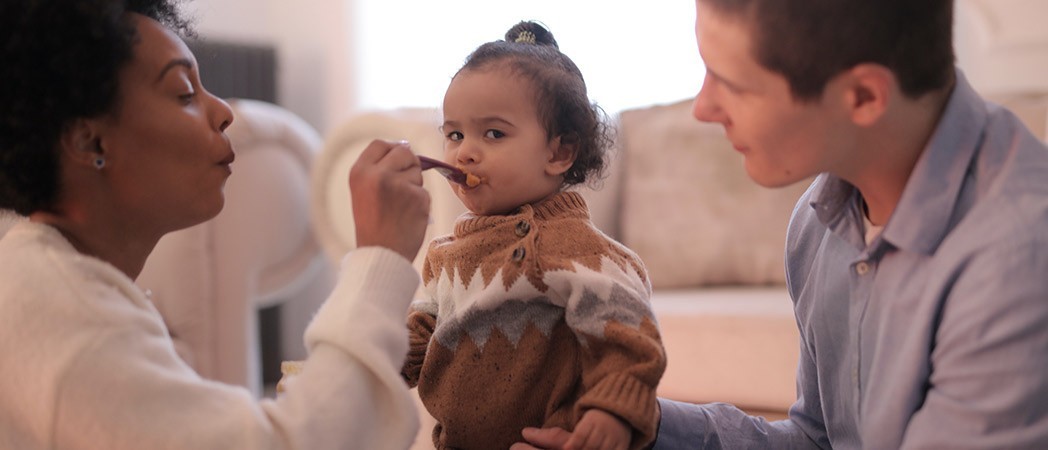
First, there is no need to panic. Vomiting is common in infants and often happens after feeding or after burping.
Is it normal for a baby to vomit after feeding?
Pediatricians often refer to this as regurgitation, which is when a baby brings up small amounts of milk through the mouth. In most cases, it is a normal process during the first months of life.
Main causes of vomiting in babies
Gastroesophageal reflux
This is one of the most common causes. It happens when the valve between the esophagus and the stomach is still developing, allowing milk to come back up and be expelled.
This usually improves as the baby grows and the digestive system matures.
Infections such as gastroenteritis
In these cases, vomiting is often accompanied by fever, loss of appetite or other symptoms. When this happens, it is important to consult a healthcare professional.
Allergies or intolerances
Some babies may react to certain types of formula or milk, causing vomiting, diarrhea or abdominal discomfort.
When should you be concerned?
Although regurgitation is usually normal, you should pay attention if there are signs such as dehydration, no tears when crying, dry mouth or changes in the baby’s general condition. In these cases, it is advisable to seek medical advice.
How to help your baby
You can offer smaller feeds and pause during feeding to make digestion easier. It may also help to keep the baby upright for a few minutes after feeding.
If the vomiting is mild and there are no other symptoms, it is often due to feeding too quickly or taking in too much milk. It is usually white and looks like curdled milk. If the color, amount or consistency changes, it may indicate another cause.