
Shopping Cart
When babies start to walk | Mom's Blog - Jyoko
06/07/2018 13:12:00 Children's physical development
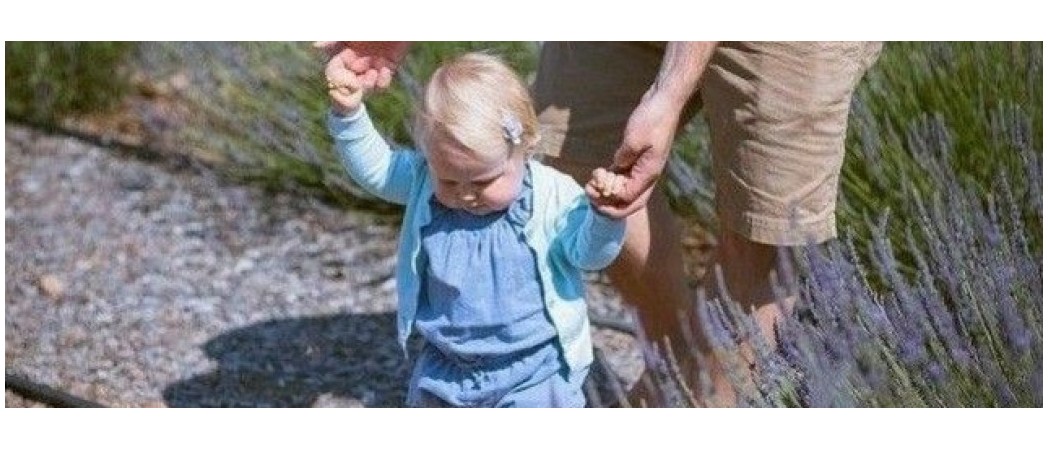
Taking their first steps is a sign that babies will soon be walking. At first they look for support to move short distances, and they move further as they gain confidence in themselves and in the space around them.
Some children take their first steps from 12 months and others from 15 months, depending on each child's physical and neurological development. It is important to understand that first steps do not mean walking straight away: it is a process that develops little by little.
As they take their first steps, the spine, hips and leg muscles grow stronger and their balance improves, until their steps become firmer and more stable.
Children usually start by pulling themselves up and holding on to nearby furniture, such as their cot or the living-room sofa, taking steps sideways.
To help this natural process, holding both their hands while they walk will give them more confidence. Placing objects a little further away so they move forward to reach them, or letting them stand while they put toys into a box, is a great exercise: it builds the endurance of their legs and increases muscle tone, giving them the strength to stand for longer.
Holding on to a small chair or a push-along toy while they walk is an excellent way to give them the security they need to move freely. It also develops their spatial awareness, so they can move around calmly. This kind of exercise gets them doing several things at once, such as walking, pushing and looking where they are going, and they will become much more skilful at moving around.
Small falls are part of learning. When they happen, it is best not to show any worry that might startle them, as this can set their learning back. Always encourage them to get up and treat the fall as something normal that can happen at any time; children will get up and keep moving naturally.
Safety at home is important, because they will want to explore everything they find. Their favourite activity will be climbing up and down stairs and onto anything they can. So, in the areas where they are learning to walk, remove objects that could cause injuries, fit socket covers, keep them away from unprotected corners as far as possible, and secure stairs or fit safety gates so they cannot go down unsupervised.
Moving around is typical at this age: they want to discover everything around them, especially when they go out. It will not be easy for them to stay seated and still for long, and they will only do so if they are comfortable on the way.
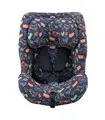
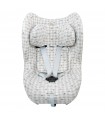
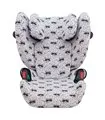
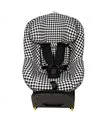
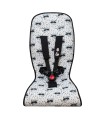
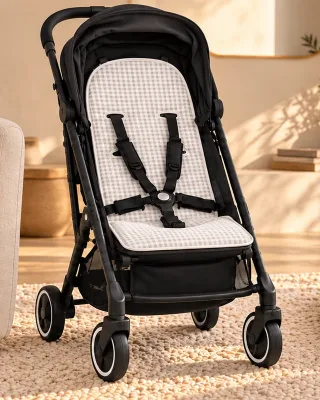
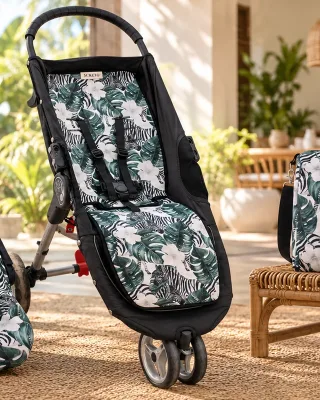
Jyoko has designed a padded liner for the Maclaren Quest pushchair. With its soft, natural feel, children ride more protected and comfortable, and it is made with breathable materials so outings are more fun and cooler. Your baby will want to go out for walks more often.