
Shopping Cart
Baby teeth: when they come through, signs and how to soothe teething
03/12/2019 15:08:41 Health
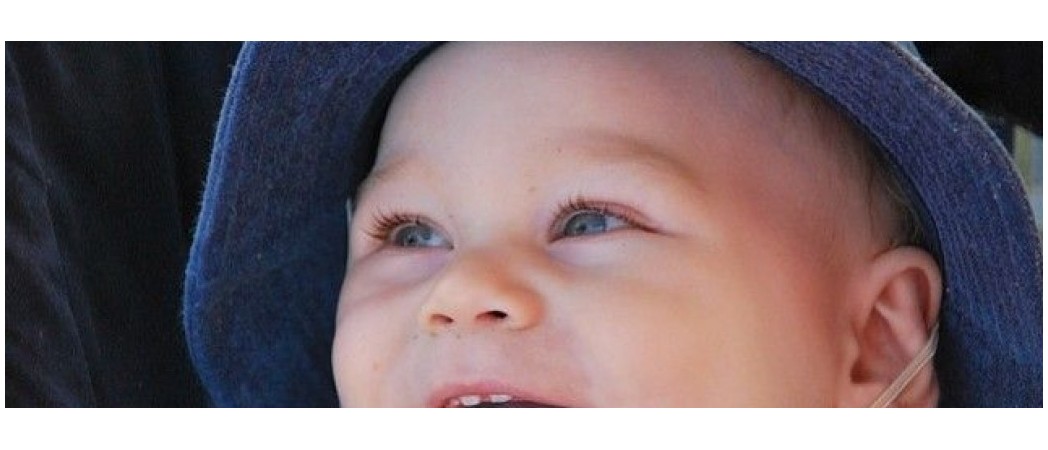
Your baby's first teeth are one of the most eagerly awaited milestones… and also a stage that can bring dribble, restless nights and lots of questions. In this guide we explain when teeth usually come through, in what order, how to recognise the signs of teething, how to ease the discomfort and when to start brushing.
When do babies start teething?
Most babies get their first tooth at around 6 months, but it is perfectly normal for it to appear earlier or later: some babies get one at around 4 months and others have none until after their first birthday. Every child has their own pace and that, on its own, is not a sign of any problem.
By 2½ to 3 years most children have all their baby teeth: 20 teeth in total.
Can babies get teeth at 3 months?
Yes, it can happen, although it is less common. Some babies start very early and a few newborns are even born with a tooth. If your baby gets a tooth very early, mention it at their check-up so the paediatrician can take a look.
The order baby teeth come through
This is the most common order, although it can vary from baby to baby:
- Lower central incisors: usually the first.
- Upper central incisors.
- Lateral incisors, top and bottom.
- First molars.
- Canines.
- Second molars: the last to come through.
Signs of teething in babies
Not every baby experiences it the same way. Some barely notice it and others find it harder. The most common signs are:
- More dribble than usual.
- Wanting to chew everything: hands, toys, clothes…
- Swollen or red gums where the tooth is coming through.
- Irritability and wanting to be held more.
- More restless sleep for a few days.
- Redness around the mouth or on the neck, caused by the moisture from dribble.
Teething does not cause a high temperature, diarrhoea or vomiting. If your baby has any of these symptoms, do not put it down to their teeth and speak to your paediatrician.
How to ease teething discomfort
- Gently massage the gum with a clean finger or a damp gauze.
- Give them a teether suitable for their age. Chilling it in the fridge makes it more soothing, but do not put it in the freezer: too much cold can damage the gum.
- Keep their skin dry: wipe away dribble often and dry their chin and neck well to prevent irritation. A towelling bandana bib soaks up saliva and keeps their neck dry; you will find more styles in our bibs section.
- Lots of cuddles and patience: on the most uncomfortable days, being held and staying calm help a lot.
- If the discomfort is severe, ask your paediatrician whether you can give them a pain reliever and at what dose. Do not give them medicines on your own.
What to avoid
- Amber necklaces or similar: they have not been shown to help and they carry a risk of choking and strangulation.
- Anaesthetic gels or creams for the gums, unless your paediatrician recommends them.
- Dipping the dummy or teether in sugar, honey or other sweet foods.
- Frozen teethers or ones with small parts that could come loose.
When should you start brushing your baby's teeth?
As soon as the first tooth appears. Before that, you can wipe their gums with a damp gauze after feeds so they get used to it.
- Use a baby toothbrush with a small head and soft bristles.
- Brush their teeth twice a day, and always at night before bed.
- Use a fluoride toothpaste suitable for their age, in the amount your paediatrician or dentist recommends: for the youngest, a tiny smear the size of a grain of rice is enough.
- Avoid letting them fall asleep with a bottle in their mouth, especially if it contains milk or juice.
It is a good idea to have their first dental visit at around one year old or when their first teeth come through.
And if your little one bumps their mouth, we explain what to do in what to do if your child knocks their teeth.
When to see the paediatrician
- If they have a high temperature, diarrhoea or vomiting.
- If they refuse to eat or drink for several feeds.
- If the gum is very swollen, bleeds or you see anything that worries you.
- If at 18 months they still have no teeth.
Products in the photo
The photo in this article shows two Jyoko products that we recommend for this stage:
- Bandana bib: made of double-layer organic cotton, it stops dribble from soaking their clothes.
- Cushion for the IKEA ANTILOP high chair: made of cotton, it makes the seat more comfortable and protects the high chair from stains and spills when they start eating.
Frequently asked questions
At what age do the first teeth appear?
Most commonly at around 6 months, but it can be earlier or later. Every baby has their own pace.
Does teething cause a fever?
No. Their temperature may go up slightly, but a high temperature is not caused by teething. If it happens, speak to your paediatrician.
How many baby teeth does a child have?
Twenty: ten at the top and ten at the bottom. They usually all come through by 2½ to 3 years.
In short
Baby teeth usually start coming through at around 6 months, although every child goes at their own pace. Dribble, wanting to chew and some irritability are normal; a high temperature or diarrhoea are not. Gum massage, a teether chilled in the fridge, keeping their skin dry and brushing from the very first tooth are the keys to getting through this stage as smoothly as possible.